
Interview mit Nico Sawatzki
Ein Gespräch über sein Atelier, warum der Einstieg beim Malen entscheidend ist – und wie aus kleinen Alltagsmomenten große Kunst entsteht.
Nico Sawatzki, 1984 in Regensburg geboren, arbeitet seit 2012 als freischaffender Künstler. Mit seiner einzigartigen Schichttechnik aus Acryl und Sprühlack erschafft er abstrakte Landschaften. Wir haben mit ihm über seinen Schaffensprozess, einen Kunstverkauf, den er nie vergessen wird, und die Schönheit alltäglicher Dinge gesprochen.
Kannst du den Ort beschreiben, an dem deine Bilder entstehen?
Nico: Der ist energetisch total aufgeladen – im positiven Sinne. Es ist ein Rückgebäude eines alten Jugendstil-Hauses, mit einer sehr angenehmen Atmosphäre. Viel Licht, große alte Fenster, und ja – extrem staubig.
Wie lange hast du dein Atelier schon dort?
Nico: Seit acht Jahren.
Also kennst du mittlerweile jede Ecke?
Nico: Absolut. Die Stimmung in dem ganzen Haus, mit dem Vermieter und den Menschen, die dort wohnen, ist einfach besonders. Eine tolle Gemeinschaft. Ich bin dort sozusagen „der Künstler“ ... der, dem vieles erlaubt wird, weil er eben Kunst macht. Und genau das braucht man manchmal auch: den Freiraum, um einfach mal laut Musik aufzudrehen, zu schreien, wenn einen etwas nervt, oder sich einfach in den Garten zu setzen, ohne drüber nachzudenken, wie man sich verhalten muss. Diese Freiheit habe ich dort – und sie ist für meinen kreativen Prozess unglaublich wichtig.
Gibt es beim Malen oder im Schaffensprozess einen bestimmten Moment, der für dich besonders wichtig ist?
Nico: Der Start ist entscheidend. Gerade weil meine Arbeiten oft von Landschaften ausgehen, ist es wichtig, die richtige Stimmung zu finden und sie zu halten. Ich versuche, ein emotionales Grundgefühl zu konservieren, an dem ich mich während des gesamten Entstehungsprozesses orientieren kann. Wenn ich beim Malen starke Stimmungsschwankungen hätte, würde sich das auf das Bild übertragen. Deshalb ist der Einstieg für mich essenziell – die Ruhe, die Konzentration, das Eintauchen in den Moment.
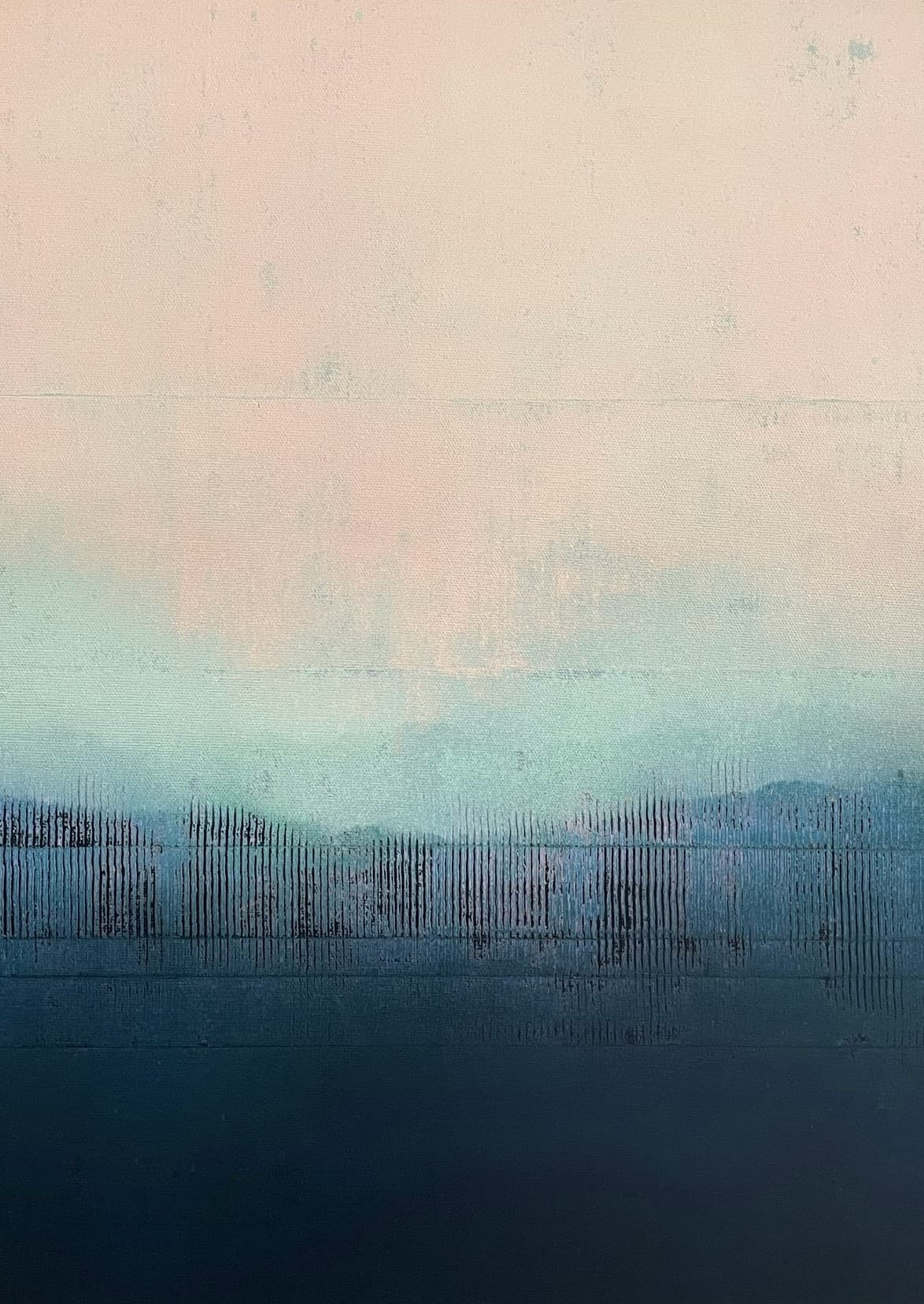
Du hast schon erwähnt, dass viel Emotion in deine Arbeiten einfließt. Du hast mal gesagt, die Titel deiner Werke seien wie ein Tagebuch. Gibt es Themen oder Gefühle, aus denen du besonders oft schöpfst? Oder ist das sehr unterschiedlich?
Nico: Es kann alles sein – selbst ganz banale Dinge wie das Abendessen, wie sich die Kinder verhalten haben, ein Elternabend oder der Weg zum Atelier. Diese scheinbar unwichtigen Momente können in mir etwas auslösen. Bei der Menge an Bildern, die ich mache, können es nicht nur „besondere“ Ereignisse sein. Es ist für mich wie ein Geschichtenerzählen – aus einer kleinen Alltagsbeobachtung entwickelt sich oft ein viel größerer emotionaler Zusammenhang. Vom Staubsaugen bis zur Trennung oder dem Tod eines nahestehenden Menschen – alles kann sich in einem Titel wiederfinden. Manchmal abstrahiere ich das dann, damit es für den Betrachter nicht sofort offensichtlich ist. Ich gehe mit einem gewissen Blick durch die Welt – ich glaube, viele Künstler haben ein feines Gespür für Momente. Und oft liegt das Schöne im Kleinen.
Wie würdest du deine Werke jemandem beschreiben, der sie nicht sehen kann?
Nico: Ich hatte mal einen komplett farbenblinden Besucher. Der hat meine Bilder nur in Grautönen gesehen, aber seine Beschreibungen waren faszinierend – ganz anders als das, was jemand mit Farbwahrnehmung sieht. Er hat die Struktur gesehen, aber eben keine Farbstimmung gespürt. Deshalb würde ich versuchen, die Stimmung und mein eigenes Gefühl zu beschreiben – den Weg, wie ich zu dem Bild gekommen bin, und die Emotionen, die es in mir ausgelöst hat.
Ist das vielleicht auch das Wesentliche an deinen Werken – die Emotion und die Textur, die man beim Betrachten empfindet?
Nico: Genau. Natürlich spielt die Technik eine Rolle, aber sie ist nicht das Entscheidende. Ich will beim Betrachter etwas auslösen – ein Gefühl, eine Bewegung. Bei meiner letzten Ausstellung in Regensburg habe ich zu den Bildtiteln kurze Gedichte geschrieben, so kleine Vierzeiler oder Sechsteiler – keine Erklärungen, sondern Gedankenanstöße. Denn Emotionen verändern sich mit der Zeit. Jedes erneute Durchleben oder Reflektieren lässt uns sie anders wahrnehmen. Deshalb ist es auch schwierig, den ursprünglichen Impuls eines Bildes jemand anderem zu erklären. Es verändert sich – mit jedem Anschauen, jeder Interpretation wächst es weiter.
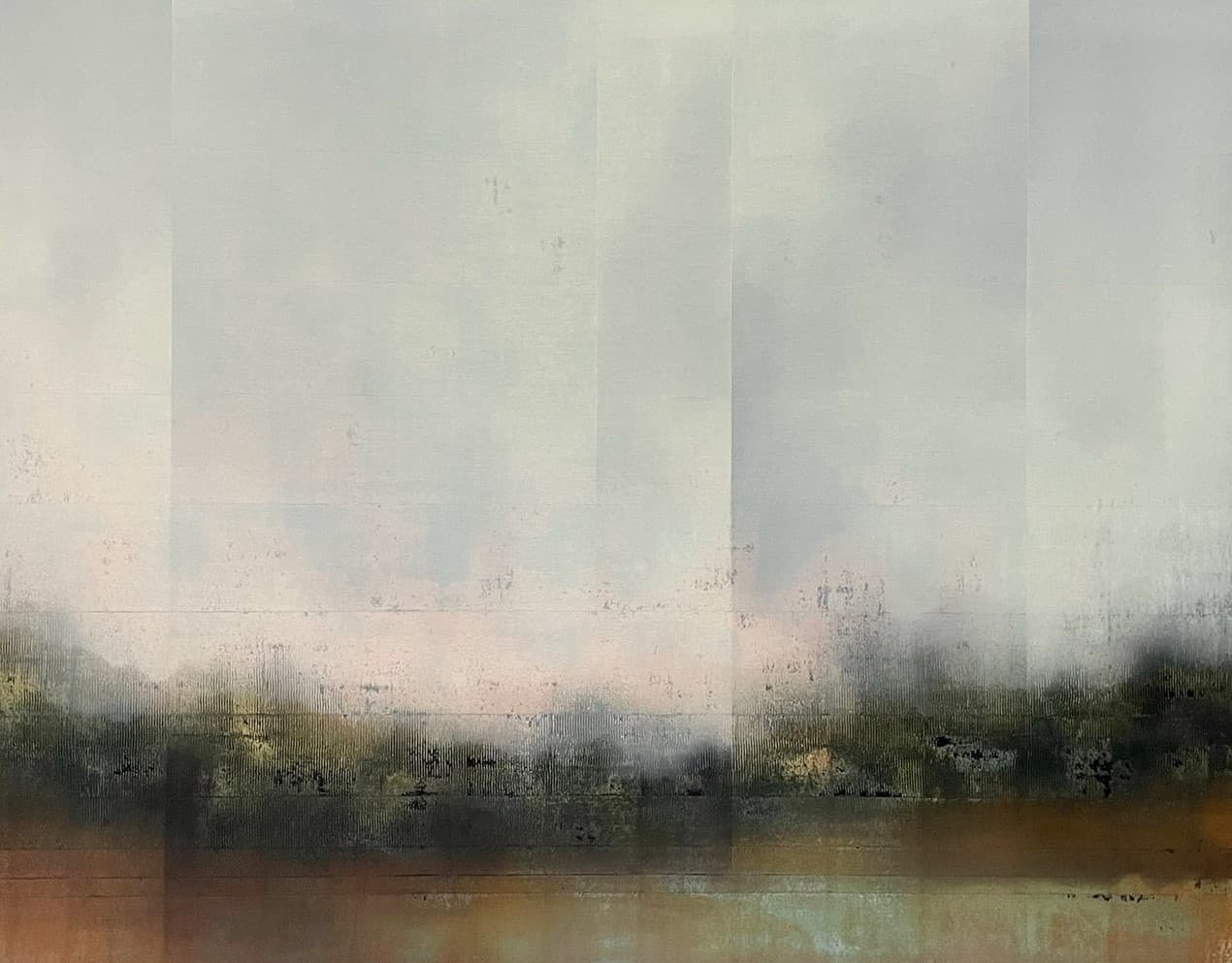
Was ist das Besondere an den Materialien, die du verwendest?
Nico: Zum einen ist meine Farbpalette relativ eingeschränkt – ich arbeite mit vorhandenen Farbtönen. Aber durch meine Technik mit der Sprühdose schaffe ich es, Farben zu mischen, die eigentlich nicht mischbar sind. Durch viele Schichten und Überlagerungen entstehen komplexe Nuancen. Und das ist das Besondere daran. Es ist auch das Material, mit dem ich überhaupt angefangen habe, Kunst zu machen – ich sprühe, seit ich etwa zehn Jahre alt bin. Also inzwischen über 30 Jahre.
Und was war der coolste Ort, an dem sich ein Werk von dir befindet?
Nico: Es gibt da eine besondere Geschichte. Auf einer meiner ersten Messe-Ausstellungen in München war eine junge Frau, die immer wieder an meinem Stand vorbeikam – bestimmt zehn Mal. Sie hat das Bild intensiv angeschaut, aber man merkte, sie zögerte. Irgendwann sprach ich sie an, und sie meinte, sie könne es sich eigentlich nicht leisten. Beim elften Besuch kam sie mit ihrer Mutter und einer Freundin – und sie kaufte es. Sie hat sich von beiden Geld geliehen, ihren geplanten Urlaub abgesagt, nur um dieses Bild zu kaufen. Das war eine unglaubliche Wertschätzung. Es hängt vielleicht nicht an einem „besonderen“ Ort – aber genau dort ist es richtig. Denn sie wollte es wirklich, von Herzen. Und genau dafür mache ich das. Diese Verbindung zu spüren, war etwas ganz Besonderes.
Vielen Dank, Nico!
Aufgezeichnet am 3.4.2025