
Interview mit Anna Pascher
Wie hält man einen Moment fest, den man nicht greifen kann? Ein Interview mit Anna Pascher über das spannungsvolle Spiel mit Schärfe, Unschärfe und der Farbe der Erinnerung.
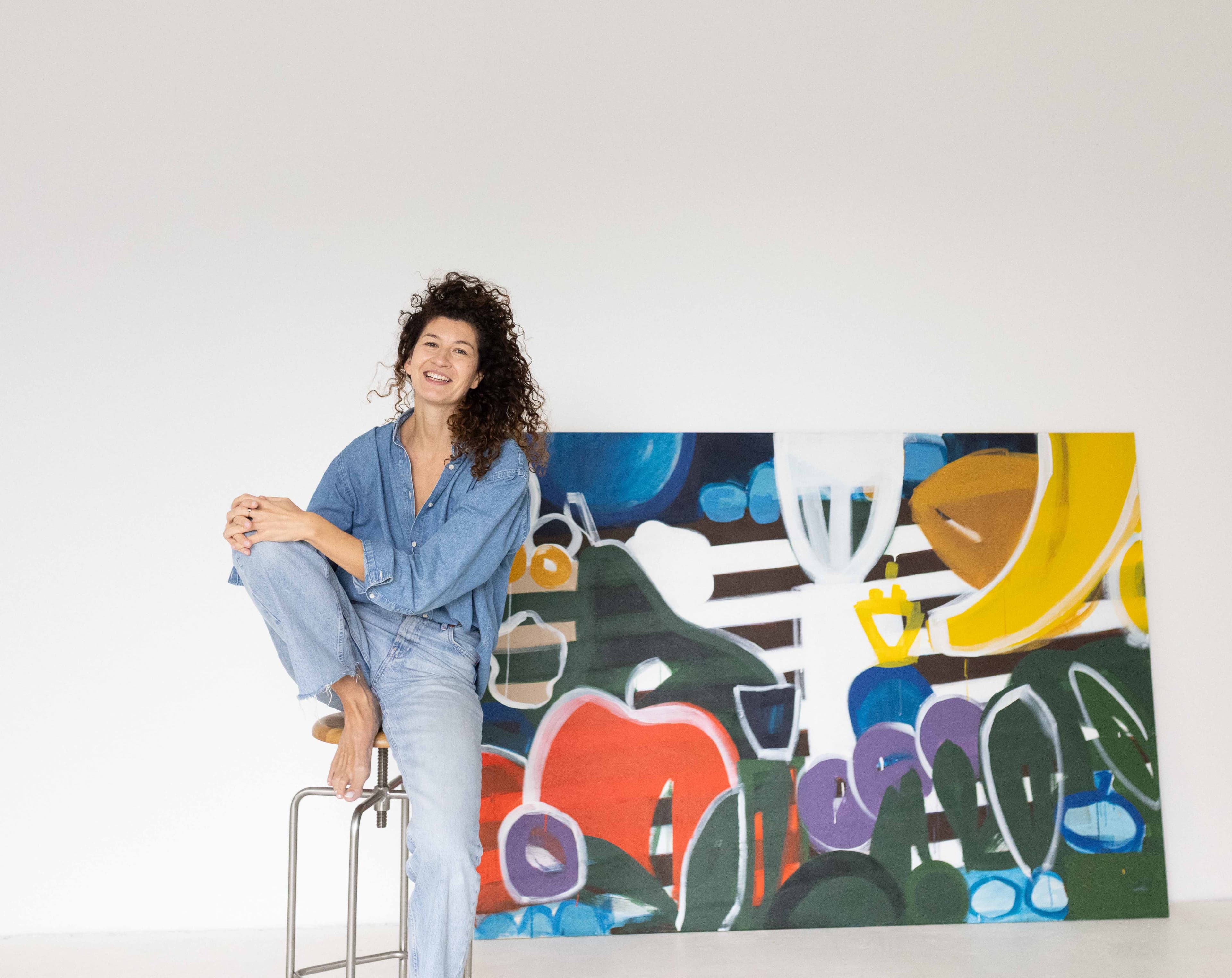
Die Malerin Anna Pascher (*1983, Bad Oeynhausen) studierte Modedesign an der AMD in Düsseldorf und fand in der Malerei ihre Bestimmung. Ihre Werke bewegen sich an der Schnittstelle zwischen figürlicher Darstellung und malerischer Auflösung - ihre Werke sind ein Dialog zwischen dem Greifbaren und dem Flüchtigen. Heute lebt und arbeitet sie in Düsseldorf.
Entsteht deine Kunst aus einem inneren Bedürfnis heraus? Und wenn ja, kannst du dieses Bedürfnis beschreiben?
Anna Pascher: Das werde ich häufiger gefragt. Ehrlich gesagt habe ich anfangs gar nicht so bewusst darüber nachgedacht, was oder wie ich male. Aber „Bedürfnis“ trifft es eigentlich sehr gut. Das Malen war für mich wie ein Ventil. Das Sujet war dabei erst einmal zweitrangig; es passierte ganz unbewusst.
Wenn ich mich heute frage, warum ich diese Motive gewählt habe, dann deshalb, weil ich Momente festhalten wollte, die mich glücklich machen. Ein Wendepunkt war ein halbes Jahr auf Formentera mit meiner Familie. Während der Corona-Phase hatten wir diese intensive Zeit des Beisammenseins, des Kochens und dieses ganz spezielle Lebensgefühl. In dieser Zeit habe ich angefangen, das zu malen, was mich von innen heraus glücklich gemacht hat: Tischszenen und Momentaufnahmen des Zusammenseins. Diese scheinbare Banalität des Alltags hat eine unglaubliche Resonanz erzeugt, weil es Dinge sind, denen wir alle begegnen.
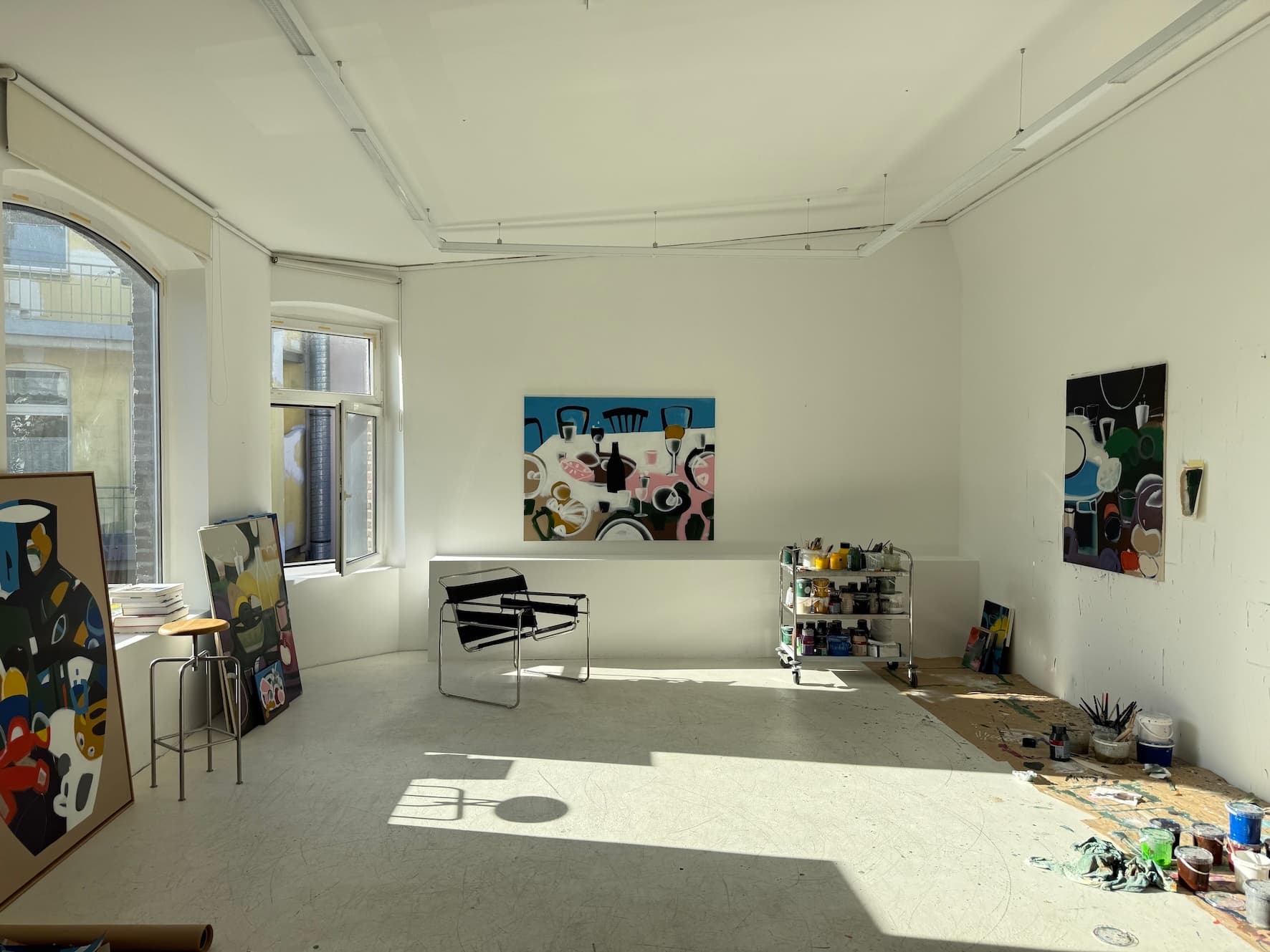
Wenn wir uns deine Serien ansehen, haben wir das Gefühl, dass dich diese Symbole, aber auch das Licht und die Farben, bis heute begleiten. Schöpfst du bei neuen Werken immer noch aus diesem Gefühl der Erinnerung, oder ist es eher das, was dich im Hier und Jetzt glücklich macht?
Anna Pascher: Ich wähle die Farben tatsächlich meist unbewusst. Ich entscheide nicht strategisch, eine Farbe wegen einer bestimmten psychologischen Wirkung zu nehmen. Bilder sind für mich oft etwas, das man nicht restlos erklären kann. Ich merke zum Beispiel, dass ich oft weiße Flächen brauche, weil sie mir guttun. Aber warum das so ist? Das versuche ich selbst immer wieder zu ergründen.
Ich arbeite extrem intuitiv. Ich starte vor einer leeren Leinwand ohne Skizze oder fertigen Plan im Kopf. Ich beginne mit einer Farbe, dann kommt die nächste, und während des Prozesses entsteht ein Dialog mit der Leinwand. Das Bild „antwortet“ mir und gibt mir vor, was als Nächstes zu tun ist. Die Komposition entsteht rein im Machen.
Das ist spannend, denn diese intuitive Herangehensweise sieht man den Bildern an. Man erkennt eine enorme Tiefe und Schichtung. Man merkt, dass Flächen übermalt wurden, aber die unteren Schichten noch durchscheinen. Diese Dynamik zwischen Outlines und Farbflächen ist also das Ergebnis dieses Prozesses?
Anna Pascher: Absolut. Ich plane nicht, was unter einer Schicht liegt. Die Schichtung entsteht, weil ein Bild für mich in diesem Moment noch nicht fertig ist und eine weitere Form oder Farbe benötigt. Die größte Herausforderung ist dabei der Moment, in dem ich entscheiden muss: Wann ist es fertig? Wann ruft das Bild: „Stopp, kein weiteres Element mehr!“ Dieser Austausch kann, obwohl die Bilder am Ende sehr leicht aussehen, emotional sehr anstrengend sein.
Das klingt fast nach einem Rausch, in dem die Leinwand dich dazu zwingt, weiterzumachen.
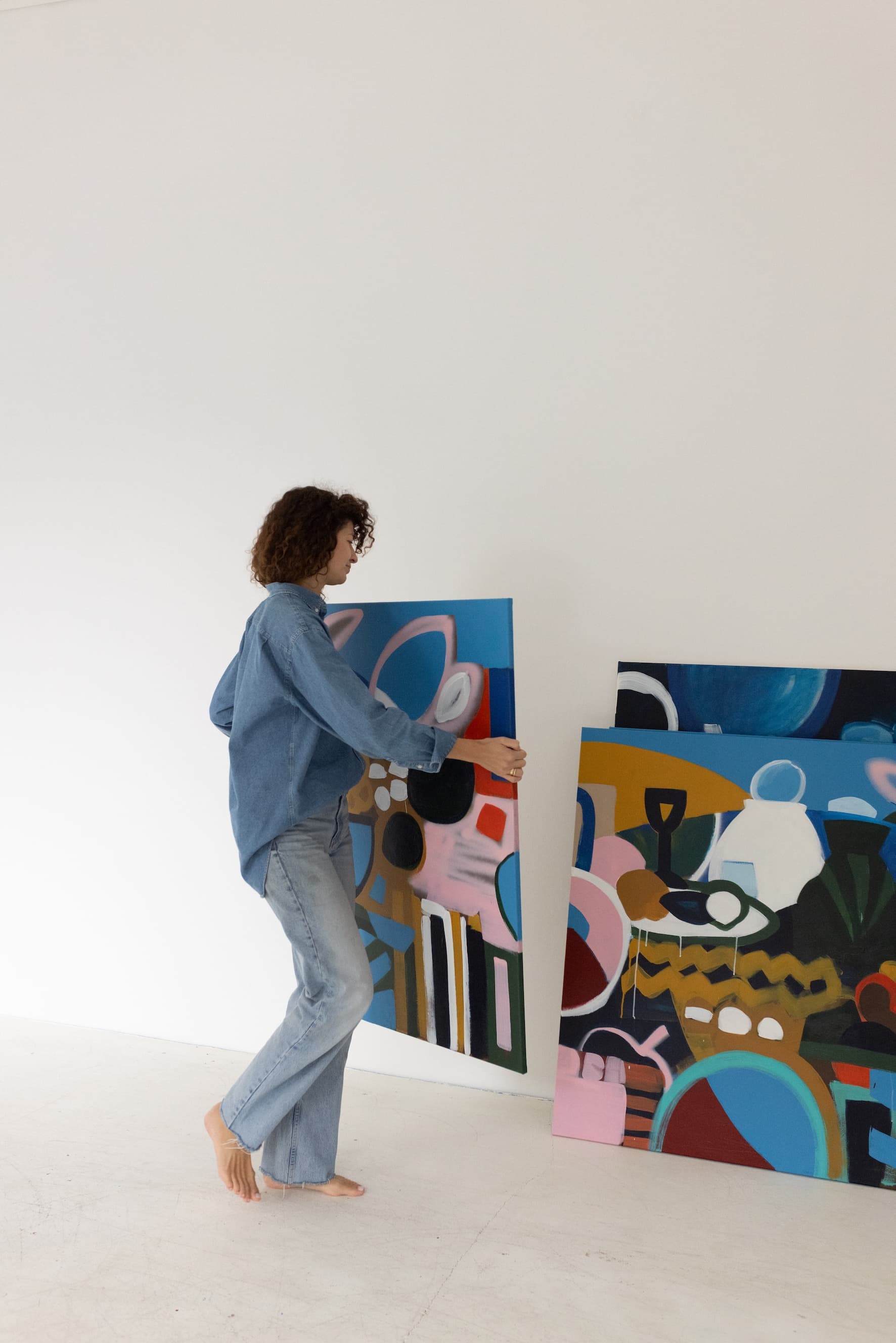
Anna Pascher: Ja, genau. Manchmal ist es schwer zu wissen, wo das Bild einen hinführen will, wenn man keinen Plan hat. Ich erinnere mich an ein Interview vor drei Jahren, da wurde ich gefragt: „Muss Kunst wehtun?“ Damals antwortete ich wie aus der Pistole geschossen mit „Nein“. Heute würde ich sagen: Doch, total. Es ist ein Paradoxon: Die Bilder vermitteln Leichtigkeit, aber der Weg dorthin ist oft eine intensive und manchmal auch herausfordernde und anstrengende Phase.
Genau darin liegt vielleicht die Kunst: Diese Leichtigkeit zu vermitteln und den Betrachter an etwas Schönes zu erinnern.
Anna Pascher: Ja, meine Werke zeigen die Besonderheit des Lebens in ganz alltäglichen Momenten, wie einem gedeckten Tisch. Es ist eine Erinnerung daran, worauf es wirklich ankommt.
Du zeigst in der Ausstellung sowohl großformatige als auch kleinere Arbeiten. Wie unterscheidet sich die Arbeit daran für dich? Fällt dir eines davon leichter?
Anna Pascher: Die großen Formate waren tatsächlich zuerst da. Meine erste zwei Meter große Leinwand fiel mir unglaublich leicht. Es hat mir Freude bereitet, auf einer großen Fläche zu arbeiten - ganz impulsiv. Die kleinen Arbeiten sind für mich eher Auszüge aus den großen Formaten. Ich versuche dabei, die Größenverhältnisse der Objekte – also der Gläser oder Äpfel – beizubehalten und sie nicht stark zu skalieren. Mein Schwung, meine Geste beim Malen, lässt das gar nicht anders zu. Ein kleineres Bild ist also oft ein konzentrierter Ausschnitt einer großen Arbeit.
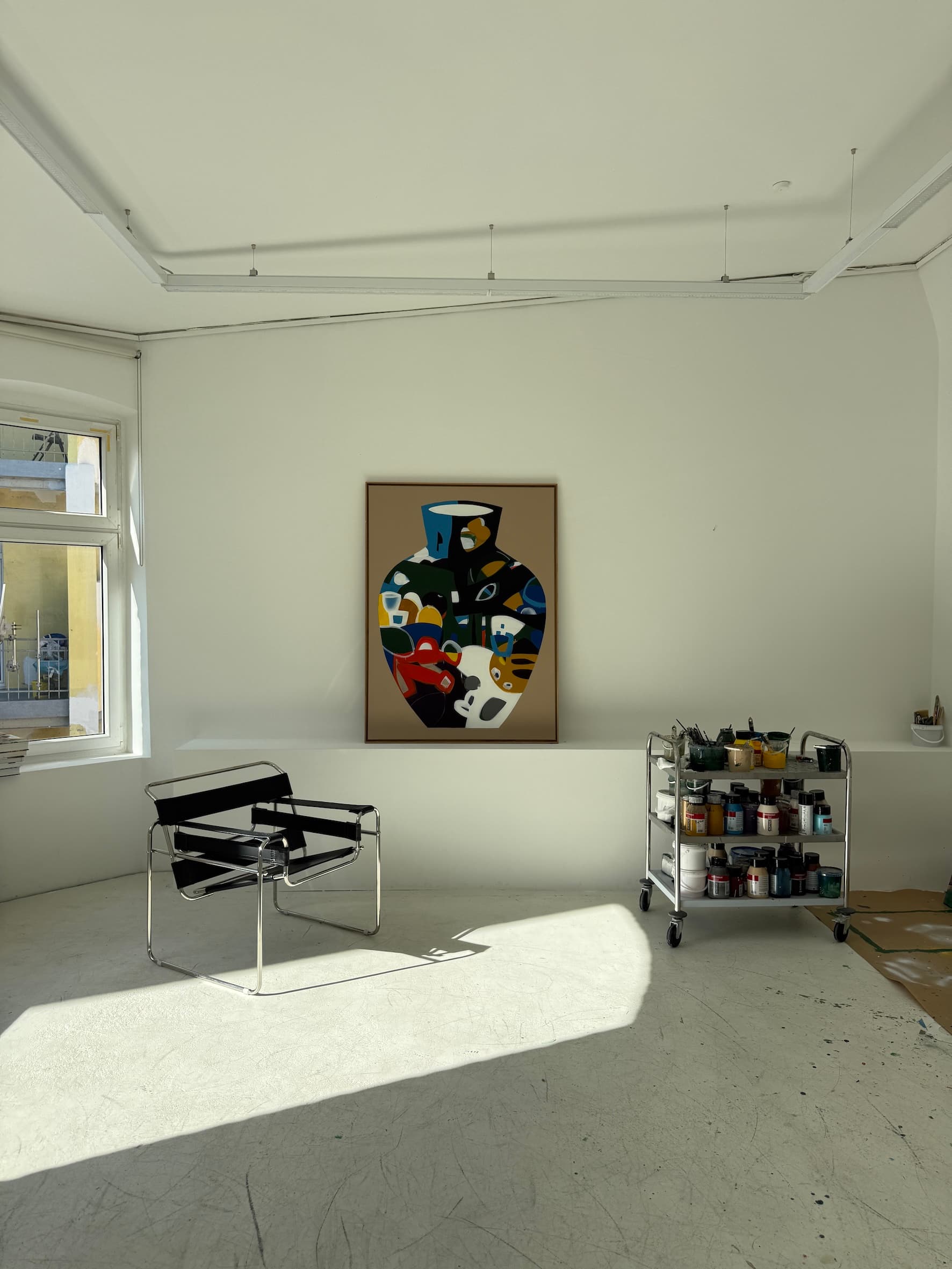
In der Ausstellung haben wir auch das Werk mit dem Titel „Lido“ - man sieht darauf unter anderem den Umriss einer Vase. Was bedeutet diese Reihe für dich?
Anna Pascher: Ich habe für die Tischszenen, die ja eigentlich grenzenlos sein könnten, eine Form gesucht, die diese Fragmente zusammenhält und schützt. Die Vase ist ein klassisches, wertvolles Objekt, das Dinge umschließt. Ich stelle mir vor, ich würde die Leinwand schütteln, sodass sich alle Schichten und Elemente ungeordnet überlagern – und die Vase umfasst das, was dort passiert ist. Sie gibt den Erinnerungssplittern einen schützenden Rahmen.
In deiner neuen Serie, zum Beispiel bei dem Werk „July“, nutzt du neue Farbtöne – Lilatöne, Gelb und mehr Verläufe. Entstand das auch aus dem Bedürfnis nach Veränderung?
Anna Pascher: Ja, das ist eine Weiterentwicklung meiner bisherigen Serien. Ich hatte immer mehr das Bedürfnis, Dinge wegzunehmen, das Bild zu „entladen“. Ich wollte mich davon befreien, wie ein Tisch „korrekt“ gedeckt zu sein hat – Besteck wegzulassen oder Gläser umzudrehen.
Gleichzeitig beschäftige ich mich damit, wie Erinnerungen verschwimmen. In meinem Kopf sind Erinnerungen oft nicht konkret; sie fließen ineinander. Das führt dazu, dass auch meine Arbeiten fließender werden. Ein großes Thema war für mich dabei plötzlich die Farbe Grau. Ich habe mich lange dagegen gewehrt, aber als ich mich dazu gezwungen habe, fühlte es sich wie ein Aha-Erlebnis an. Grau transportiert für mich dieses „Floaten“ und Verschmelzen, wie man es aus Träumen kennt.
Trotz dieses Verschwimmens gibt es aber immer wieder sehr scharfe Akzente.
Anna Pascher: Genau. Wie in Gedanken, wo plötzlich eine ganz klare Situation aufploppt, haben manche Objekte – wie ein Apfel in „Oktober“ – ganz scharfe Umrisse, während anderes im Hintergrund verschwindet. Dieses Spiel mit Schärfe und Unschärfe ist das, was mich gerade besonders reizt. Es geht um Momente, die man nicht ganz festhalten kann, die aber trotzdem bleiben.
Ich finde, das ist ein wunderbares Schlusswort. Vielen Dank, Anna!
Copyright der Fotos: Friedalovesemil & Anna Pascher