Interview mit René Tromborg
Wir sprachen mit dem dänischen Maler René Tromborg über Intuition, das Brechen von Regeln und warum man seine Bilder ganz genau betrachten sollte.
René Tromborg (geb. 1972 in Kopenhagen) ist ein dänischer Maler und eine markante Stimme in der zeitgenössischen geometrischen Malerei. Seine Werke verbinden die Klarheit der Bauhaus-Bewegung mit der lebendigen Energie der Street-Art und schaffen so einen Dialog zwischen architektonischer Präzision und emotionalem Ausdruck. Wir haben ihn im Januar 2026 interviewt – im Zusammenhang mit unserer Gruppenausstellung „Catching Light”.
Mich interessiert sehr die Bedeutung von Farbe in deiner Arbeit. Wie würdest du deine Beziehung zu deiner Farbpalette beschreiben? Vieles scheint bei dir sehr stark auf Intuition zu basieren.
René Tromborg: Da hast du recht; vieles davon ist reine Intuition. Aber natürlich wird diese Intuition von all dem geprägt, was ich im Laufe meines Lebens beobachtet habe. Ein großer Einfluss ist mein Hintergrund im Graffiti. Als Teenager habe ich viel gesprüht, und deshalb versuche ich immer, mit verschiedenen Farben zu experimentieren, anstatt an denselben hängenzubleiben. Es ist eine echte Herausforderung, die Palette ständig zu überwachen, anzupassen oder zu verändern, um mehr Abwechslung zu schaffen – aber ich liebe diesen instinktiven Prozess, herauszufinden, was gut zusammenpasst.
Graffiti wird oft mit einem „rebellischen“ Geist in Verbindung gebracht, was fast im Widerspruch zu den klaren, lebendigen Linien und den Bauhaus-Referenzen in deinen aktuellen Gemälden steht. Existiert dieses jüngere, rebellische Ich noch immer in deinen heutigen Werken, oder hast du diese frühen Einflüsse hinter dir gelassen?
René Tromborg: Das Spiel ist jetzt ein anderes, aber das Fundament ist dasselbe. Graffiti auf der Straße zu sprühen, erforderte eine Mischung aus Adrenalin und technischer Präzision; man musste ein schneller Techniker sein, um ein Piece in kürzester Zeit fertigzustellen. Das verlangte eine enorme Vorbereitung – Skizzen, Planung und Übung. Das habe ich in mein Atelier mitgenommen. Ich fertige extrem viele Skizzen an, bevor ich die Leinwand überhaupt berühre, und verändere ständig Perspektiven, Licht und Schatten.
Darüber hinaus war alles „Learning by Doing“, da ich mit Graffiti aufgewachsen bin, bevor es das Internet gab. Ich bin sowohl in der Musik als auch in der Kunst Autodidakt. Dieser „Außenseiter-Ansatz“ erlaubt es mir, ungeschriebene Regeln zu brechen. Im Graffiti gibt es strikte Regeln, wie Buchstaben auszusehen haben und wo Schatten fallen müssen. In meiner aktuellen Arbeit setze ich bewusst „falsche“ Schattierungen oder unmögliche Perspektiven ein, um die Grenzen des Objekts zu sprengen und die Wahrnehmung des Betrachters herauszufordern.
Du hast mehrere Jahre lang Musik in Brooklyn produziert, bevor du dich auf die Malerei konzentriert hast. Gibt es eine Verbindung zwischen deiner musikalischen Seite und deinem künstlerischen Prozess, oder hältst du diese Welten strikt getrennt?
René Tromborg: Sie sind verschieden, aber die Herangehensweise ist eng miteinander verknüpft. Wenn ich Musik produziert habe, ging es immer um Brainstorming. Man ging ohne fertige Ideen ins Studio, traf einen Künstler und baute sofort etwas auf – man warf sich Ideen hin und her, modulierte sie und trieb sie in neue Richtungen. Diesen „modulierenden“ Ansatz nutze ich auch beim Skizzieren. Im Grunde brainstorme ich mit mir selbst und verfeinere die „Skulptur“ der Skizze so lange, bis sie sich richtig anfühlt.
Was das Musikhören während der Arbeit angeht – das finde ich tatsächlich ablenkend. Nach so vielen Jahren in der Branche habe ich ein „analytisches Gehör“. Ich fange sofort an, die Bassline zu dekonstruieren oder mich zu fragen, warum eine bestimmte Entscheidung für oder gegen ein Instrument getroffen wurde. Das zieht mich vom Malen weg. Deshalb bevorzuge ich meistens Podcasts, das Radio oder arbeite sogar in völliger Stille.
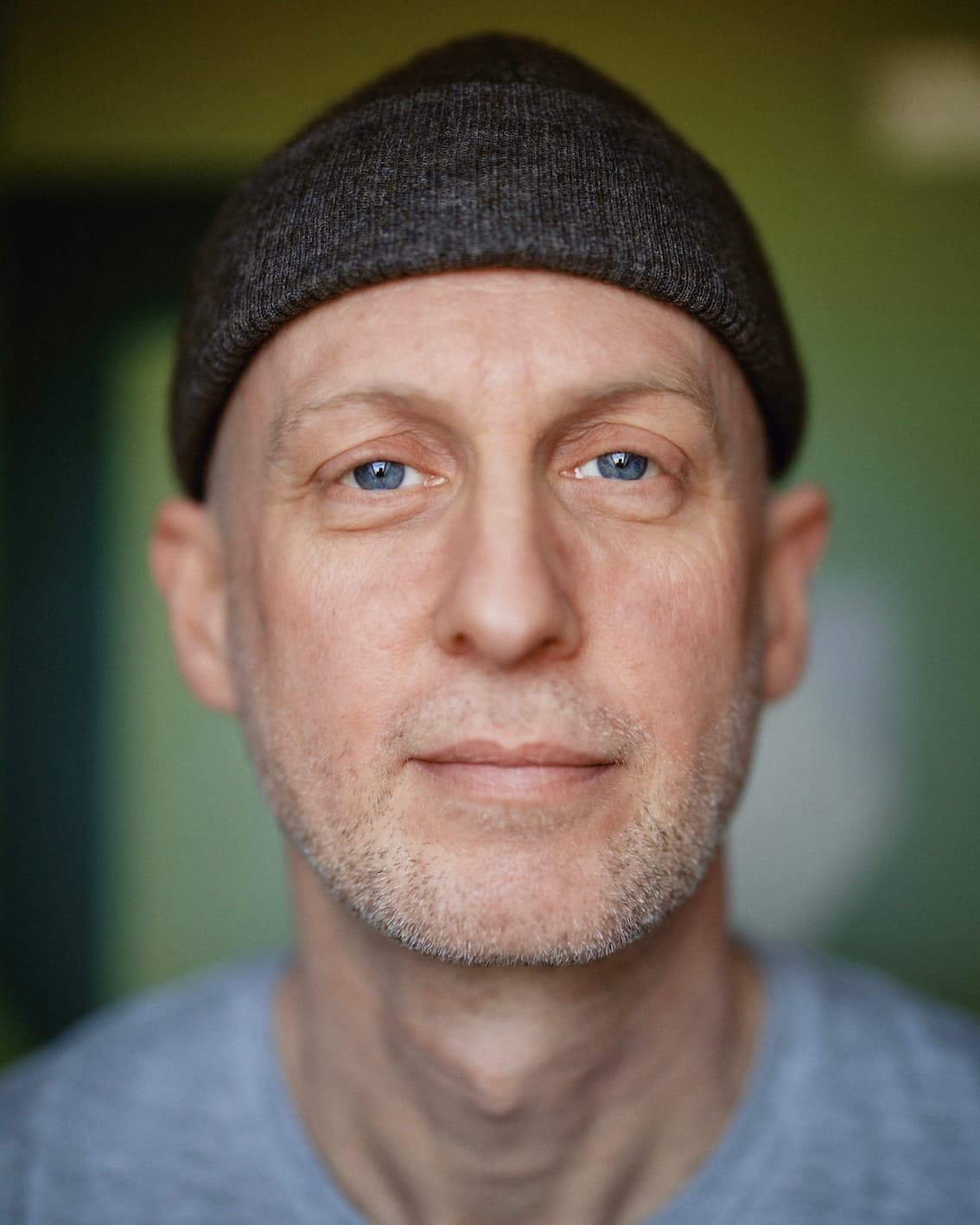
Du hast erwähnt, dass du gerne reist und dich mit anderen Künstlern vernetzt. Was genau ist es an der Arbeit als Maler, das du in diesem speziellen Moment am erfüllendsten findest?
René Tromborg: Ehrlich gesagt ist es das Greifbare. In der Musik schickst du vielleicht eine digitale Datei in die USA, sie wird auf einer Streaming-Plattform veröffentlicht und existiert dann irgendwo da draußen im Äther. Du bekommst zwar ein paar Verkaufsdaten, aber du spürst die Wirkung nicht wirklich. Beim Malen erschaffe ich etwas Greifbares, das ich in den Händen halten, bewegen und an eine Wand hängen kann. Es ist eine viel direktere Erfahrung. Zu sehen, wie jemand ein Werk mit nach Hause nimmt und wirklich Freude daran hat, ist unglaublich befriedigend.
Es scheint, als würde die Kunstszene eine andere Art von Verbindung bieten als die Musikindustrie.
René Tromborg: Definitiv. Auf mich wirkt die Kunst-Community viel offener. In der Musik hatte ich oft das Gefühl, dass wir Konkurrenten waren. Hier habe ich eher das Gefühl, dass wir uns gegenseitig pushen – wir teilen Chancen und unterstützen einander. Da jeder Stil so einzigartig ist, gibt es eigentlich auch gar keinen Grund für Konkurrenzdenken.
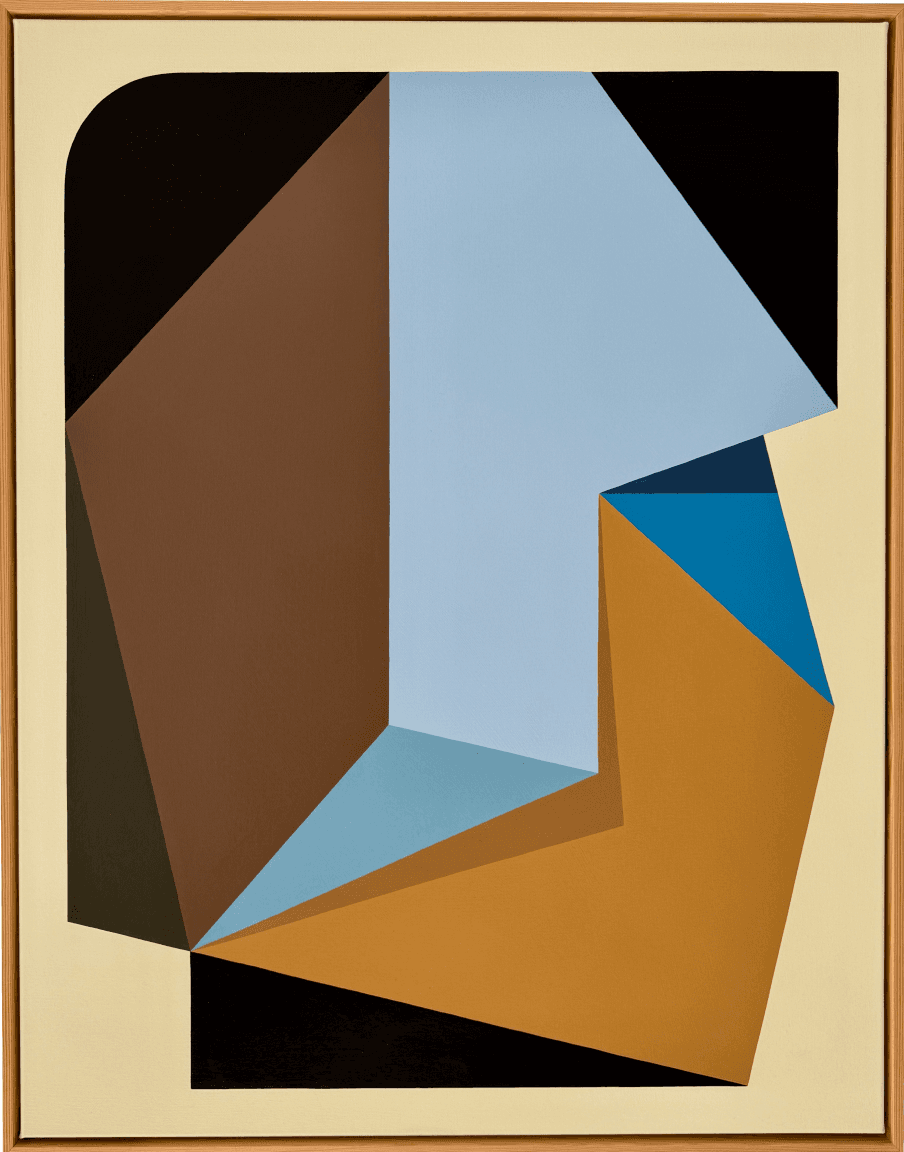
Lass uns über deine Bildtitel sprechen. Entstehen die schon während des Malens oder erst, wenn das Werk fertig ist?
René Tromborg: Ich gebe ihnen erst einen Titel, wenn sie fertig sind. Ich stehe total auf Wortspiele und Song-Referenzen. Ein Titel kann auf eine bestimmte Farbe anspielen oder auf eine Form, die wie ein Buchstabe aussieht. Ich versuche, nicht zu wörtlich zu sein; ich will ein Gemälde nicht einfach „Grüne Box“ nennen. Der Titel soll Spaß machen und dem Betrachter genug Raum für seine eigene Interpretation lassen.
Abschließend: Wenn jemand in die Galerie kommt und deine Arbeiten zum ersten Mal sieht – wie würdest du ihm empfehlen, an sie heranzugehen?
René Tromborg: Ich würde sagen: Schau genau hin. Ich benutze kein Klebeband oder irgendwelche mechanischen Hilfsmittel; alles ist freihändig gemalt. Wenn man sich die Linien ansieht, erkennt man dieses „analoge“ Gefühl – das ist keine lasergedruckte Linie. Außerdem würde ich raten, sich im Raum zu bewegen. Da ich mit mehreren, sich widersprechenden Perspektiven und Schatten arbeite, verändert sich das Objekt je nach Blickwinkel. Wenn man sich einen Moment Zeit nimmt und aus verschiedenen Positionen schaut, entdeckt man meistens etwas, das man zuerst gar nicht bemerkt hat.
Vielen Dank, René.